
Revise & Restore: Hip Mobility + Strength (21-Day Program)

A practical 21-day path to better hip mobility and strength using corrective exercises, alignment-based yoga and movement, and self-awareness.

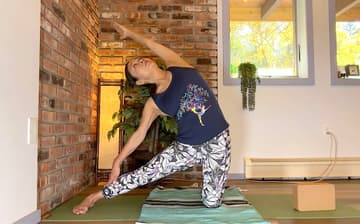
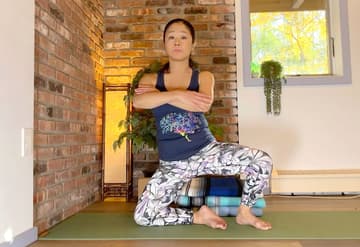
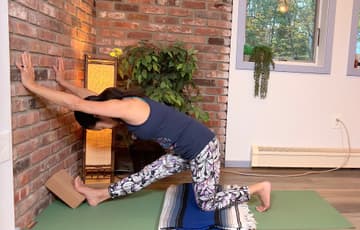
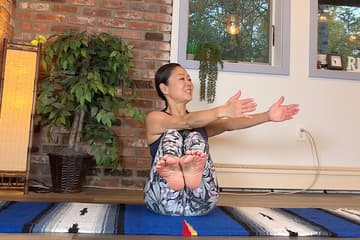
This program is designed to help you move with more ease, stability, and confidence by addressing the patterns that contribute to tightness, imbalance, and discomfort. Through short, targeted sessions, you’ll learn how your body works, how to support your hips more effectively, and how to build mobility and strength in a way that’s realistic and sustainable.

Contenuto del corso
Week 1
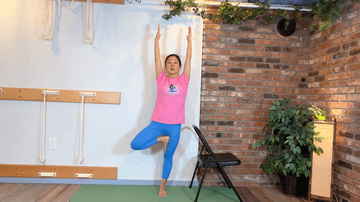
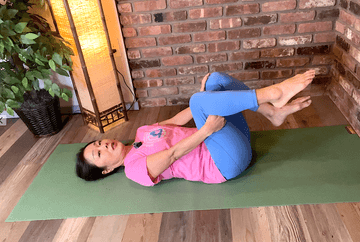
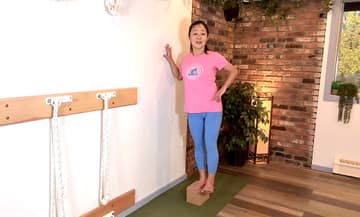
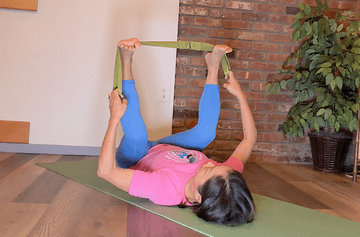
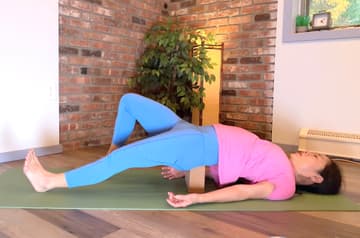
Week One is all about laying a strong foundation. Through simple, focused sessions, you’ll learn how to stabilize your posture, activate key muscles, and bring more awareness to how your body moves. As your alignment and balance improve, your movements naturally become more stable and fluid. This groundwork prepares your hips — and the rest of your body — for the deeper mobility work coming in the next phases of the program.
Week 2
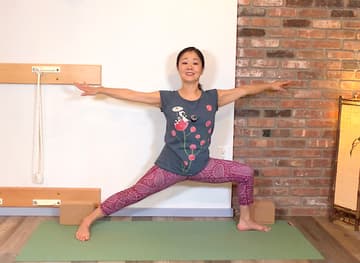
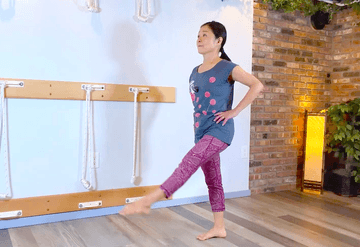
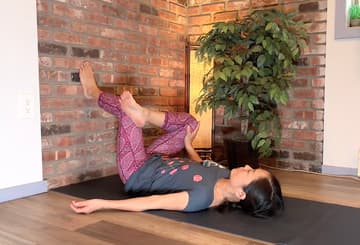
In Week 2, we explore every direction of hip movement and begin to recognize the blind spots in our bodies — the limitations, asymmetries, and compensation patterns that develop when certain muscles are overused and others are underused. These insights are not obstacles; they’re valuable information. By understanding how your body has been adapting and compensating, you gain a powerful tool for creating balance and harmony in your movement. This awareness will support the later stages of the program, where mobility, strength, and coordination come together more fully.
Week 3
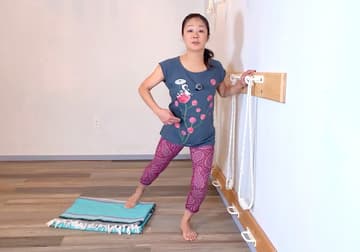
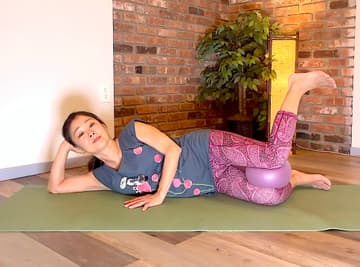
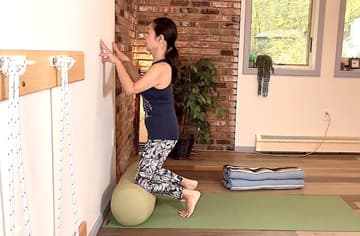
We’ve reached the halfway point of the program. In Week 3, we shift our focus to functional movement — the kind of movement your body uses every day. This is where everything you’ve been practicing begins to come together. You’ll start applying your awareness, strength, and mobility to practical, real-life actions like walking, sitting, standing, bending, and transitioning from one position to another. As you explore these movements, you’ll also discover how deeply connected the hips are to the rest of the body — how areas far from the hips, such as the feet, ankles, core, or even the upper body, can directly influence hip mobility and stability. This week is about integrating your new understanding in a way that supports daily life, helping you feel more coordinated, capable, and fluid in everything you do.
Week 4
This is the final week of the course. Here, we take all the principles you’ve learned and apply them through more dynamic movement. You’ll explore familiar patterns in new ways and experience how your hips respond when movement becomes more fluid, coordinated, and connected. By now, you likely have a good sense of your blind spots—the areas that feel limited, unstable, or less responsive. You may choose to revisit certain sessions from earlier weeks to shine a light on those specific areas and continue strengthening your awareness. This week marks the beginning of deeper self-discovery, where movement becomes a tool for understanding your body more fully. As you continue to explore with curiosity, you’ll discover more freedom, more clarity, and new pathways for moving beyond the obstacles that once held you back.
Domande frequenti
- Q: How should I be dressed for this class?
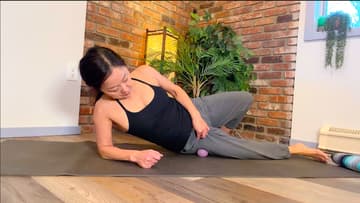
- A: Any comfortable fitness clothing is completely fine. I recommend wearing something that isn’t too loose and isn’t too tight — just enough to move easily without fabric getting in the way. For the self-massage session using the massage ball, it can be helpful to wear looser clothing so you can access the areas we’re working on more easily.
- Q: What do I need to have ready for this course?
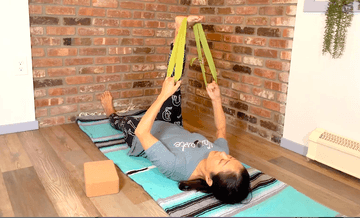
- A: The bare minimum you need is a yoga mat. Truly — you can just show up with a mat and see how your body responds. If you’d like extra support or comfort, here are some additional items that can be very helpful (but not required): • Yoga Blocks: Two blocks are useful, but you can substitute them with sturdy books or a small stool. • Blanket or Large Bath Towel: Great for cushioning and support in certain positions. • Yoga Strap: If you don’t have one, a belt, towel, or long scarf works just as well. • Pillows and Cushions: These can help you feel more supported. If you have a yoga bolster, that’s even better—but optional. • Chairs: We sometimes use chairs for support or variations. One chair is often enough, but having two nearby can be helpful. We also use wall space in certain sessions—for example, placing your feet against the wall or standing by it for stability and alignment. • Massage Ball (for the self-massage class): For best results, I recommend YTU Therapy Balls, which I personally use because they have the right firmness and grip. They’re usually around $15–$20. If you don’t have them, tennis balls, lacrosse balls, or other smooth massage balls work fine—just avoid anything spiky. The ball needs to roll smoothly.
- Q: Do I have to be over 45 or female to take this course?
- A: Not at all. While this work is especially essential and supportive for women over 45, the program is also highly beneficial for women under 45 and for men as well. The movements, techniques, and self-awareness practices are effective for anyone who wants to improve hip mobility, build stren
- Q: How long do I have access to the program?
- A: You’ll have full access to all classes, bonus content, and materials for one year from the date of purchase. This gives you plenty of time to revisit sessions, repeat what feels supportive, and progress at your own pace.